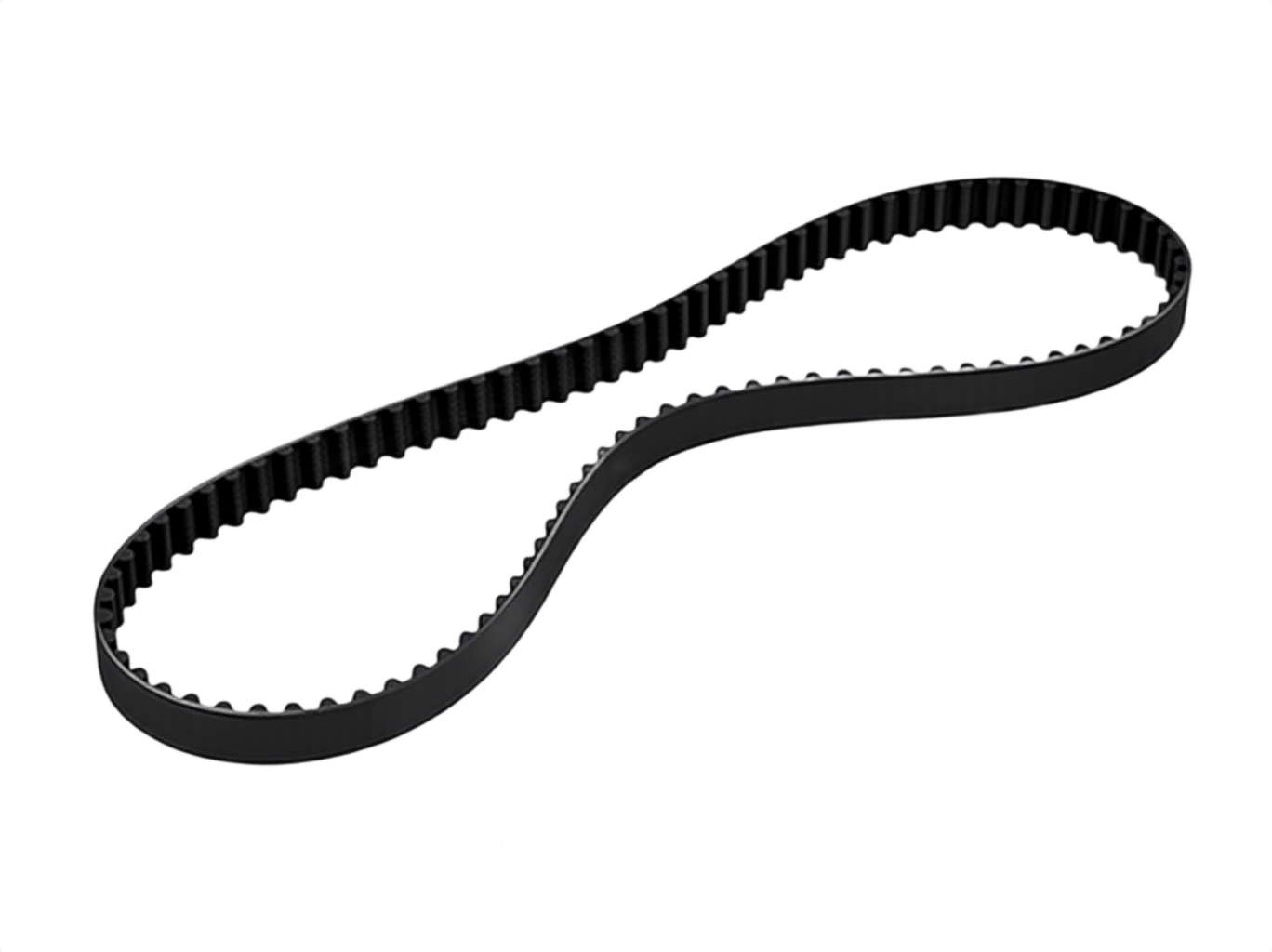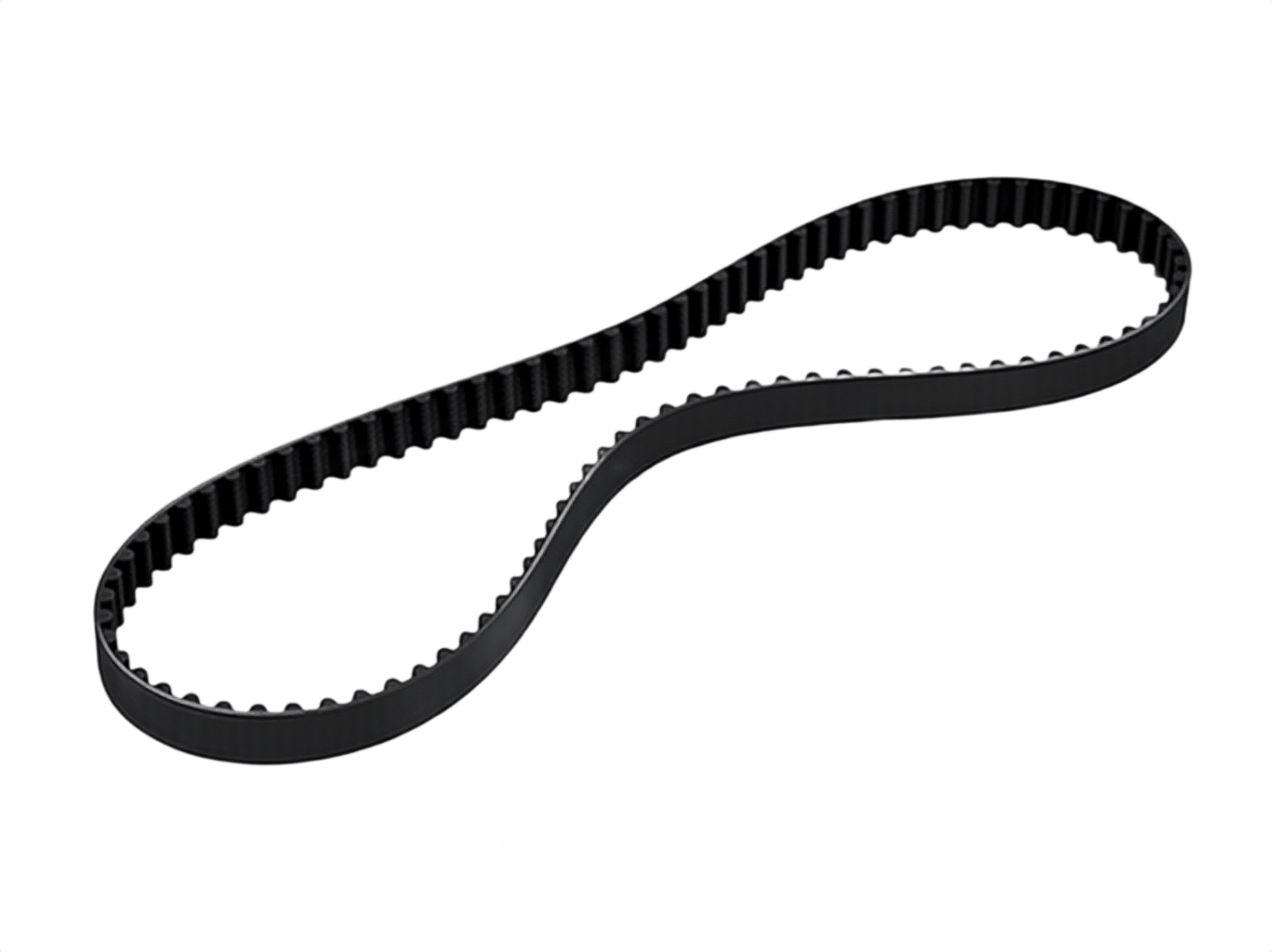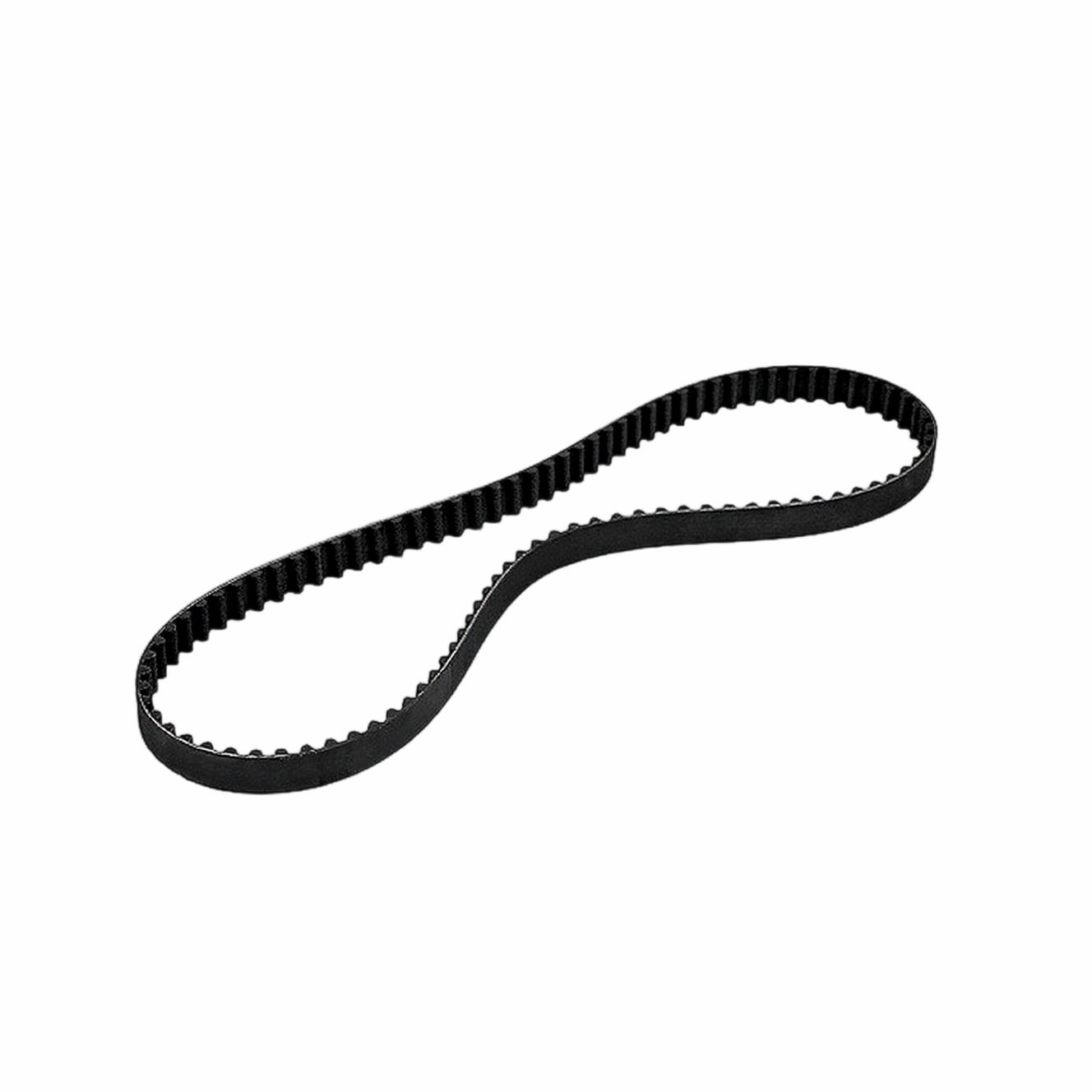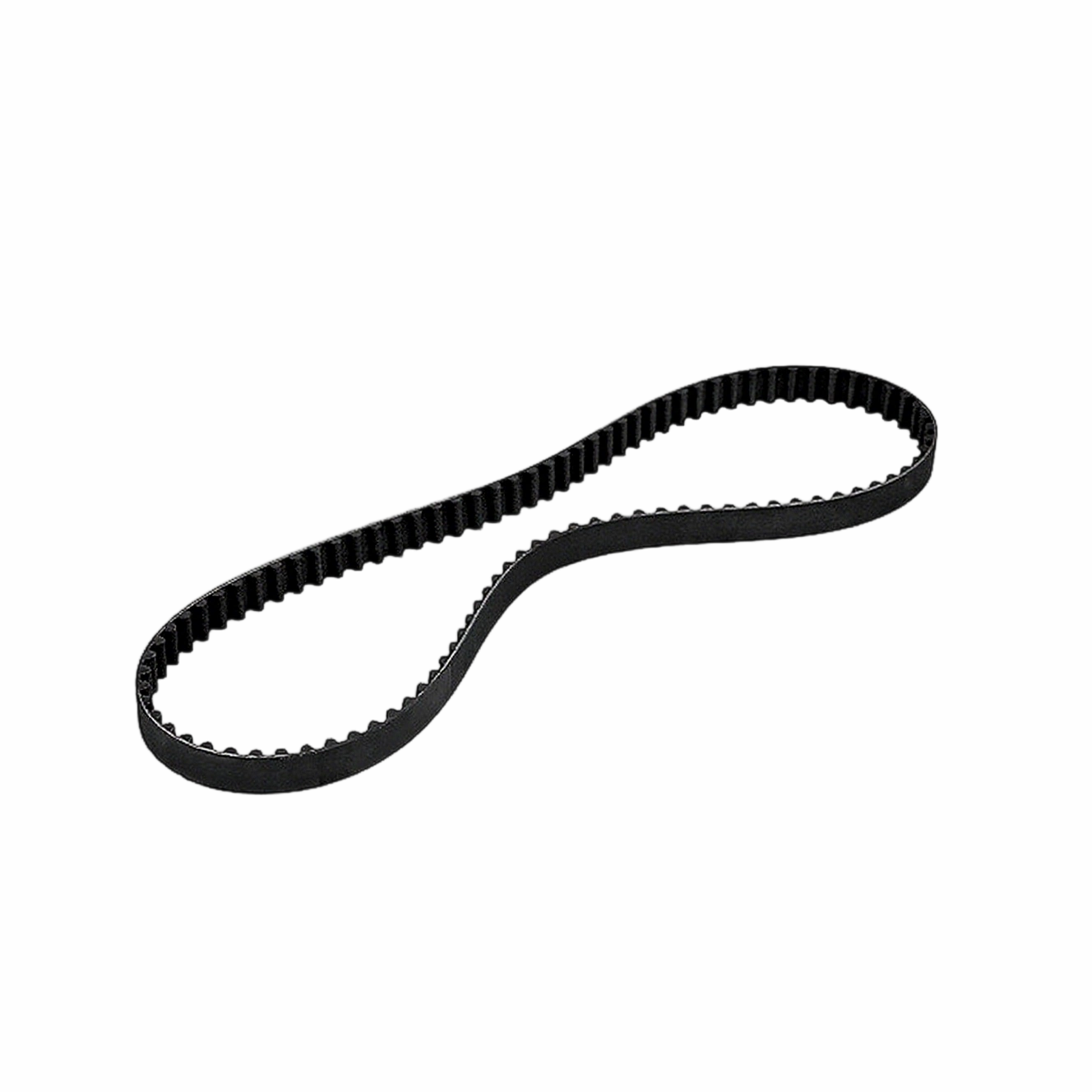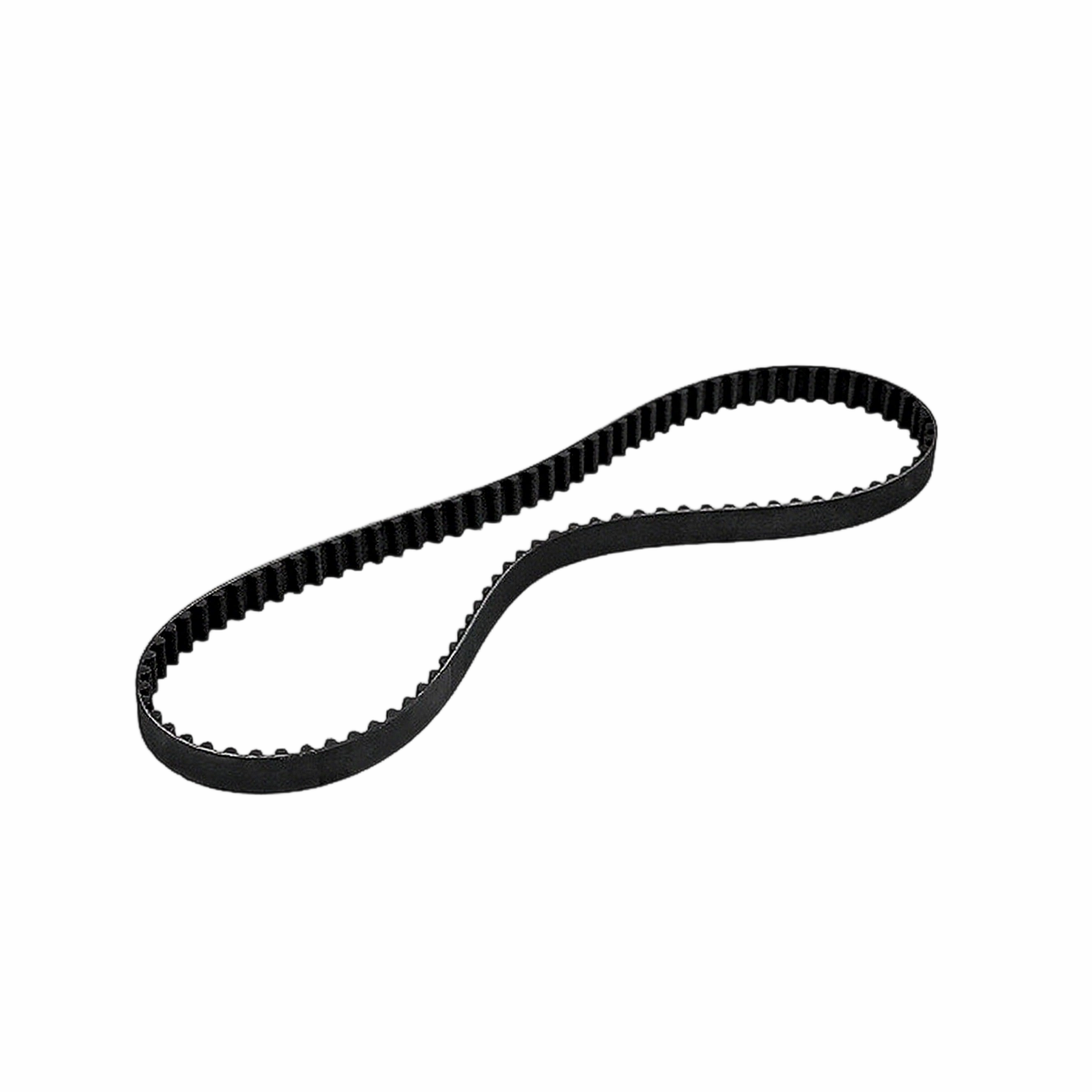

Article number: S536 0260 10 FOCUSON ENGINE's product is cross-referenced with this one.
The timing belt synchronizes the rotation of the crankshaft and camshaft to ensure precise timing for the engine's valves and pistons, preventing interference and optimizing performance.
Tailored for wholesale and OEM needs, our 536 0260 10 support OE number cross-reference. Please consult our sales team for MOQ and procurement details.
Details
|
Number of Teeth 128 |
|
Length [mm] 1219 |
|
Width [mm] 27 |
|
Tooth Pitch [mm] 9,525 |
Kits List
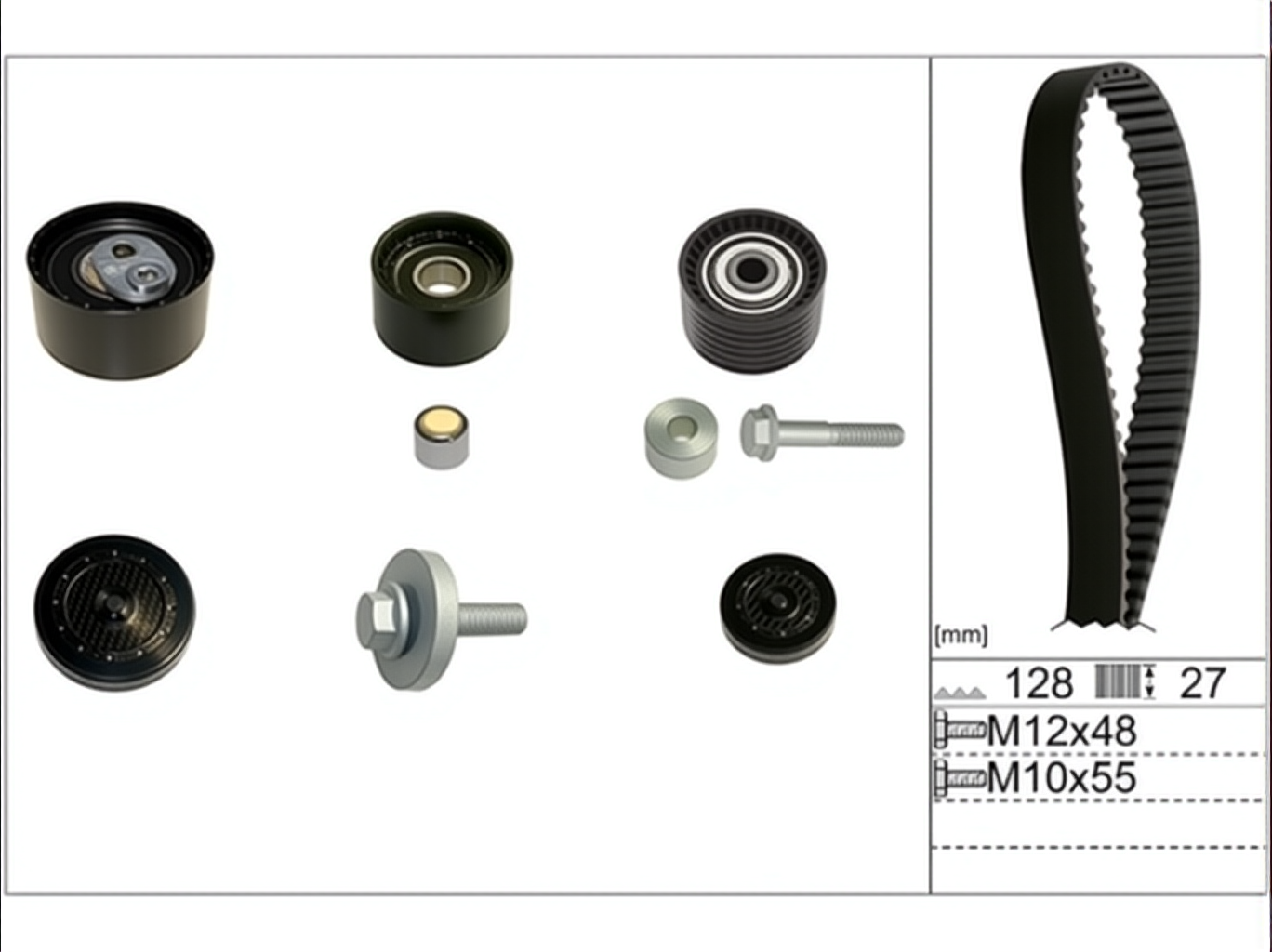
Timing Belt Kit
530 0637 10
Details
OEM Numbers
Vehicle Fitment
| Make | Model | Type | Engine Code | Capacity | Fuel Type | Year | Power |
|---|
| RENAULT | LAGUNA I (B56_, 556_) | 1.8 16V (B563, B564) | F4P 760,F4P 770 | 1783 CCM / 1.8 L | Petrol | 1998-04-01 2001-03-01 |
88 KW / 120 PS |
| RENAULT | LAGUNA I Grandtour (K56_) | 1.8 16V (K563, K564) | F4P 760 | 1783 CCM / 1.8 L | Petrol | 1998-04-01 2001-03-01 |
88 KW / 120 PS |
| RENAULT | SCÉNIC I MPV (JA0/1_, FA0_) | 1.8 16V (JA12, JA1R, JA1M, JA1A) | F4P 720,F4P 722 | 1783 CCM / 1.8 L | Petrol | 2001-01-01 2003-08-01 |
85 KW / 115 PS |
| RENAULT | CLIO II (BB_, CB_) | 2.0 16V Sport | F4R 738 | 1998 CCM / 2.0 L | Petrol | 2004-01-01 2005-04-01 |
132 KW / 179 PS |
| RENAULT | SCÉNIC I MPV (JA0/1_, FA0_) | 1.8 4x4 | F4P 722 | 1783 CCM / 1.8 L | Petrol | 2000-07-01 2001-04-01 |
85 KW / 116 PS |
| RENAULT | CLIO II (BB_, CB_) | 2.0 16V (CB0M, CB1G) | F4R 730,F4R 736 | 1998 CCM / 2.0 L | Petrol | 2001-06-01 2005-05-01 |
126 KW / 172 PS |
Overview
| Car models | RENAULT LAGUNA I (B56_, 556_); RENAULT LAGUNA I Grandtour (K56_); RENAULT SCÉNIC I MPV (JA0/1_, FA0_); RENAULT CLIO II (BB_, CB_) |
| Engines | F4P 760,F4P 770; F4P 760; F4P 720,F4P 722; F4R 738; F4P 722; F4R 730,F4R 736 |
| Engine power (horsepower) | 115-179 HP |
| Power (kilowatts) | 85-132 KW |
| Year of manufacture | 1998-2005 |
FAQs
It synchronizes the rotation of the crankshaft and camshaft, ensuring proper engine timing and valve operation.
Symptoms include engine misfires, rough idling, and potential engine failure if the belt breaks.
It can lead to reduced engine efficiency, increased emissions, and potential engine damage if not addressed promptly.